


Dear Friends,
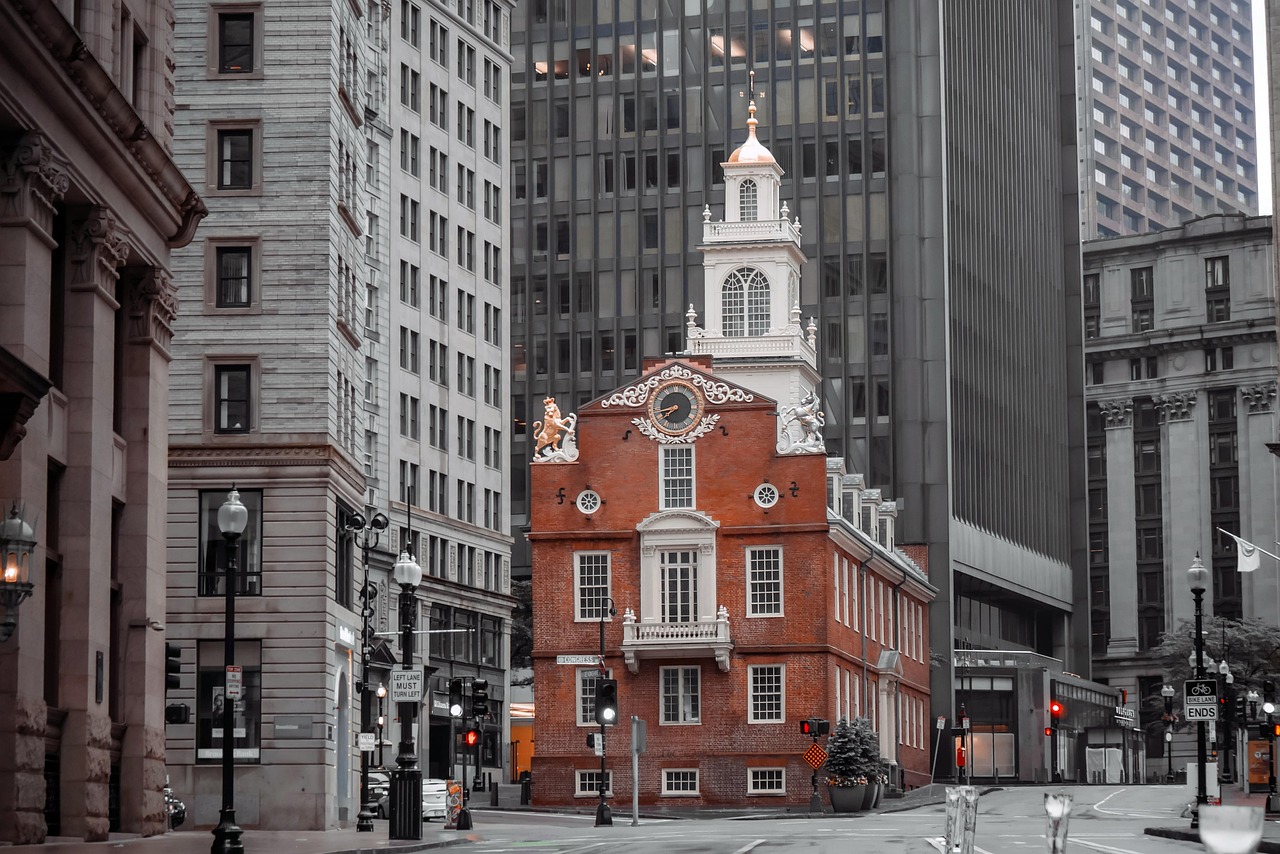
I’m in Boston, writing to you on June 17th, 2025, the 250th anniversary of the Battle of Bunker Hill. I’ve been thinking about both the original threats to the colonies and the ongoing threats to American principles.
Low on ammunition, colonial militias at Bunker Hill built fortifications all through the night to prepare for the expected British assault. The British aimed to crush colonial resistance and secure control of Boston Harbor, while the plucky militias hoped to maintain pressure on British forces and disrupt their dominance in the region.
Rallying his men, Colonel William Prescott, seeking to conserve precious ammunition and to ensure accurate fire during the three British assaults on Bunker Hill (actually Breed’s Hill), allegedly gave this famous order to his troops : “Don’t fire until you see the whites of their eyes.”
While the eye-white story might be apocryphal, and while the British succeeded on their third assault during the Battle of Bunker Hill, their loss of over 1,000 soldiers, half their invading force, convinced Americans that the British monarchists could be resisted, and convinced the British that quelling the popular revolts against the locals would be costly and dispiriting. The colonists saw the invading forces as imperious, vindictive, and despotic, and thus they felt they had the moral upper hand.
Back in Boston as I reflect on all this history, I took the blue line train of the MBTA under that same Boston Harbor today and had lunch not far from the Freedom Trail that stretches from Boston Common to the Bunker Hill Monument in Charlestown.
This afternoon my son Jukie and I sat for 20 minutes on a park bench in the Boston Public Garden while listening to a jazz duo. Near us was a famous equestrian statue of George Washington that I remember gazing up at as an 18-year old Boston University freshman entering the park from Arlington Street. The statue was unveiled on July 3, 1869.
I have been of at least three minds about George Washington. First of all, I grew up in a city, Washington D.C., that was named after our first president, and my late mom, a Washingtoniana Department public librarian, was born on February 22, George Washington’s birthday. Growing up, I felt a special kinship with the American leader, the hero who had surprised and dismayed British troops and the British monarchy with his prowess as an under-resourced general.
On the other hand, Washington personally enslaved over 100 people at Mount Vernon, his estate a mere 13 miles from the Glover Park neighborhood where I was raised by civil rights advocates. General Washington also led campaigns against Native American populations by torching dozens of villages, displacing thousands, and breaking treaties. Among generations of the Iroquois, Washington was known as the “Town Destroyer.” I learned some of Washington’s activities from Howard Zinn in a Boston University history class.
With Boston’s long history of abolitionism and progressive governing policies, one might wonder how Bostonians could celebrate such a man.
I wonder, though, in the current climate, with millions of protestors recently gathering in hundreds of American cities to proclaim that we will accept “No Kings,” if Washington might be reassessed for some of the original reasons most of us were taught to admire him. Washington voluntarily gave up power, stepping down after two terms as president. He explicitly declined monarchial power when prompted to take control by the 1782 Newburgh Letter. Even Alexander Hamilton proposed that Washington serve for life in his executive role, which Hamilton thought should come with an absolute veto.
Washington said no. Channeling the departing president, Lin-Manuel Miranda wrote it this way: “If I say goodbye, the nation learns to move on. / It outlives me when I’m gone.”
Washington made a series of immoral decisions regarding his treatment of Blacks and indigenous people, but he also rejected monarchial invitations and provisions, thus helping to set the foundation for the democratic principles that undergird American society today. Washington once said, “I rejoice in the belief that our government will prove a blessing to every people who shall adopt it.” Many of us thought that the example of George Washington should have concluded the conversation on American kings.
Yet we cannot let Washington’s democratic restraint overshadow the fundamental moral failures of his era and his personal choices. The enslaving of over 100 human beings (or more than 300 if we include Martha Washington’s estate) and the systematic destruction of Native American communities did not merely reflect the revolutionary era. Instead, Washington’s profound moral wrongs caused immeasurable suffering.
As we grapple with what I see as the current misuse of American leadership and power, we must consider both truths: that Washington’s rejection of monarchy helped establish democratic precedent, and that his participation in systems of racial oppression betrayed the ideals of human dignity and equality that should underpin any just society. As I consider all the signs I saw at a recent Woodland march and rally, I see that the protesters calling for “No Kings” today understand something Washington himself seemed to grasp only partially: true democratic leadership requires not just the rejection of absolute power, but the recognition of the full humanity of all people.
June is upon us — how lucky we are to live in Davis! I invite you to join me outside at Sudwerk tonight, perhaps in the shade, for a grand competition. On such days, I especially love hosting an outdoor Pub Quiz at sunset as we all get to enjoy the cooling temperatures together. Others feel the same way, for we had almost 35 teams compete last week. We will have a substitute quizmaster tonight. Give them your patience and attention!
In addition to topics raised above and below, expect questions tonight on the following: homes, workout songs, big dogs,European countries, appendages, chambers, recipients of surprises, babies, professional partners, New England, menus from random restaurants, kings, thieves, charms, misnomers, quantum computing, efforts, Boston, musical instruments, baseball, superstars, missed opportunities, airports, romances, elements, beasts, big cats, Rob Lowe, U.S. cities, geography, current events, and Shakespeare.
For more Pub Quiz fun, please subscribe via Patreon at https://www.patreon.com/c/yourquizmaster.
Thanks to all the new players joining us at the live quizzes and to all the patrons who have been enjoying fresh Pub Quiz content. We have over 70 Patreon members now, including the new paid subscribers Damian and Meebles! Thanks especially to new subscribers Bill and Diane, Tamara, Megan, Michael, Janet, Jasmine, Joey, Carly, The X-Ennial Falcons, and The Nevergiveruppers! Every week I check the Patreon to see if there is someone new to thank. Maybe next week it will be you! I also thank The Original Vincibles, Summer Brains, Still Here for the Shakesbeer, The Outside Agitators, John Poirier’s team Quizimodo, Gena Harper, the conversationally entertaining dinner companions and bakers of marvelous and healthy treats, The Mavens, whose players or substitutes keep attending, despite their ambitious travel schedules and the cost of avocado. Thanks in particular to Ellen and to my paid subscribers on Substack. Thanks to everyone who supports the Pub Quiz on Patreon. I would love to add your name or that of your team to the list of pub quiz boosters. I appreciate your backing this pub quiz project of mine!
Best,
Dr. Andy